
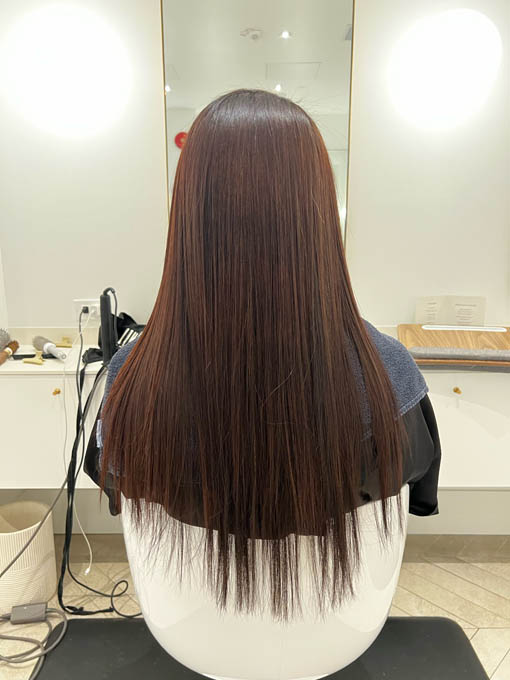
Winter in the Vancouver area brings its own challenges for hair care. The combination of cold, wet weather outside and heated, dry air inside creates a perfect storm for hair damage. Add wool hats, static electricity, and the temptation to take scorching hot showers, and your hair faces months of stress. Here's how to keep your hair healthy and looking great through the season.
Why Winter Is Hard on Hair
Understanding what your hair is dealing with helps explain why it needs different care in winter. Cold air holds less moisture than warm air, which means the outdoor environment is inherently drying. Indoor heating further reduces humidity, sometimes to desert-like levels. Your hair moves between these two environments multiple times a day, constantly adjusting and losing moisture in the process.
Rain and snow bring their own issues. Wet hair is more fragile and prone to breakage, and Vancouver's rainy winters mean frequent exposure. Hard water, common in many areas, can leave mineral deposits that make hair look dull. And the friction from hats, scarves, and hoods creates mechanical stress that contributes to breakage and static.
Hydration Is Everything
The single most important winter hair strategy is maintaining moisture. This means adjusting your products for the season. Switch to a more hydrating shampoo and conditioner—the lightweight formulas that work in summer may not provide enough moisture now. Look for ingredients like hyaluronic acid, glycerin, and natural oils.
Add a weekly deep conditioning treatment if you don't already use one. A good hair mask applied once a week replaces moisture that daily life strips away. Focus on mid-lengths to ends, where hair is oldest and most prone to dryness.
Consider a leave-in conditioner or hair oil for daily moisture. Applied to damp hair after washing, these products create a protective layer that helps retain moisture throughout the day. A small amount of argan oil or jojoba oil smoothed over dry ends works wonders.
Turn Down the Heat
Hot showers feel amazing when you come in from the cold, but hot water is one of the worst things for hair health. High temperatures strip the natural oils that protect hair, leaving it dry and vulnerable. This is especially damaging in winter when hair is already moisture-stressed.
Try washing your hair with lukewarm water instead. It's not as satisfying as a scalding shower, but your hair will thank you. If you can't give up hot showers entirely, at least rinse your hair with cooler water at the end. A cool rinse also helps seal the hair cuticle, adding shine and reducing frizz.
The same principle applies to heat styling. If you use a blow dryer, flat iron, or curling iron, use a lower heat setting than you might in summer. Winter hair is more fragile and doesn't need as much heat to style. Always use a heat protectant, and if possible, let hair air dry partially before using heat tools.
Protect Before Going Outside
Going outside with wet hair isn't just a path to discomfort—it can actually damage your hair. Water in the hair shaft can freeze in cold temperatures, causing the hair to become brittle and break. A professional blowout ensures hair is completely dry and styled before braving the elements.
If you're wearing a hat (which you should, for warmth), consider how it affects your hair. Wool and other rough fabrics create friction that can cause breakage and static. Try lining your hat with silk or satin, or wear a silk scarf underneath. These smoother fabrics dramatically reduce friction damage.
For longer hair, keeping it tied back or braided reduces exposure to the elements and minimizes tangling. A low bun or braid tucked under a coat protects hair from wind, rain, and friction against outerwear.
Don't Skip Haircuts
It's tempting to let your hair grow during winter for extra warmth, but skipping haircuts is counterproductive for hair health. Split ends don't stop at the ends—they travel up the hair shaft, creating more damage the longer they go untreated.
Regular trims, even just half an inch every 8-10 weeks, remove damaged ends before they can worsen. You'll actually retain more length over winter by maintaining regular trims than by skipping cuts and letting damage accumulate.
Consider a Smoothing Treatment
Vancouver's wet winters create humidity even in cold weather, and humidity means frizz for those prone to it. A Cezanne treatment can dramatically reduce styling time and keep hair smooth regardless of weather conditions.
This formaldehyde-free keratin treatment smooths the hair cuticle, eliminating frizz while maintaining your natural texture. Results last 3-5 months with proper care—enough to get you through the worst of winter. Many clients find the reduced styling time alone makes the treatment worthwhile during months when getting ready in a dark, cold house feels especially challenging.
Static Solutions
Static electricity is the bane of winter hair. When air is dry, hair builds up electrical charge that makes strands repel each other, creating that flyaway, halo-of-frizz look. A few strategies help combat static. Using a humidifier at home adds moisture to indoor air, reducing static throughout your space. Lightly misting hair with water (a spray bottle works) before brushing or styling eliminates static temporarily. Using a metal or ionic brush can help neutralize charge. Dryer sheets—the kind for laundry—gently rubbed over hair can reduce static in a pinch. Leave-in conditioners and anti-frizz serums provide some static resistance.
Start Spring Strong
The goal of winter hair care isn't just survival—it's setting yourself up for healthy hair when warmer weather returns. By maintaining moisture, minimizing heat damage, and keeping up with regular trims, you'll emerge from winter with hair that's ready for spring rather than hair that needs months of recovery.
If your hair is struggling this winter, visit us at our West Vancouver or Vancouver location for a professional assessment. Sometimes a single deep conditioning treatment or trim can make a significant difference in how your hair handles the season.